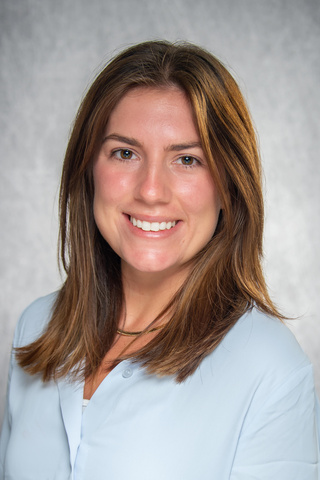
Senior Associate Editor, Journal of the Academy of Nutrition and Dietetics
What is your current role, and what area of nutrition or dietetics do you work in?
I serve as the Senior Associate Editor for the Journal of the Academy of Nutrition and Dietetics. In this role, I act as the primary liaison between the Editor-in-Chief, external publishing partners, the editorial board, authors, and peer-reviewers. I work in nutrition research and scientific publishing, helping manage the peer-review process, coordinate journal operations, and support the dissemination of high-quality nutrition research.
What drew you to this area of practice?
I’ve always enjoyed building and maintaining professional relationships, and this role allows me to work with people from around the world who are passionate about advancing nutrition science. I also thrive in fast-paced environments where every day looks a little different. Balancing multiple projects, solving problems, and keeping everything moving forward is something I genuinely enjoy.
How did the University of Iowa Master of Clinical Nutrition program prepare you for your work as a registered dietitian?
I can’t say enough wonderful things about Laurie Kroymann and the University of Iowa’s Master of Clinical Nutrition program. The program does an exceptional job of preparing students for success after graduation by combining a strong academic foundation with meaningful hands-on experiences. It goes far beyond textbook learning. The clinical rotations, mentorship, networking opportunities, and real-world experiences gave me the confidence and skills to transition seamlessly into my career.
What aspects of the program were most valuable in preparing you for your current role?
One of the program's greatest strengths is the variety of rotations, which expose students to nearly every area of dietetics. From day one, you're immersed in real-world practice, so by graduation you feel prepared to step into a full-time role with confidence. Although my career has taken me into research and scientific publishing rather than direct patient care, the program gave me the foundation to critically evaluate research, communicate complex scientific information, collaborate with interdisciplinary teams, and think through problems using an evidence-based approach. Those skills have been just as valuable in publishing as they would be in a clinical setting.
What has been the most rewarding part of your career since graduating from the program?
Joining the Journal of the Academy of Nutrition and Dietetics has been incredibly rewarding. I’ve had the opportunity to build professional relationships with researchers and clinicians from around the world while also helping to improve the Journal’s efficiency and day-to-day operations. Working closely with the Editor-in-Chief, our team successfully increased the Journal’s impact factor and helped it rise into the top quartile of nutrition journals for the first time in its history. It's been exciting to see how a dietetics degree can open doors beyond traditional clinical practice while still allowing me to contribute to the advancement of nutrition science. Seeing ideas translate into meaningful improvements and knowing our work positively impacts the profession has been especially fulfilling.
What advice would you give to prospective students considering the Master of Clinical Nutrition program?
Take advantage of every opportunity the program offers. Build relationships with your classmates, faculty, preceptors, professors, and anyone else you might meet along the way. You never know where a single connection might lead! Most of all, have fun and enjoy it. The program goes by so quickly and before you know it, you’ll be starting your career. Go Hawks!